Two People, One Dropper: Running a Shared CBD Shelf Without the Double-Dose Drama
There's a specific kind of chaos that only appears once two people in the same house start using CBD. It's not dramatic. It's a bottle of golden oil on the windowsill, a second bottle that looks almost identical, and a Tuesday evening where nobody can remember whether they've already had their drops.
Most CBD advice assumes you live alone with your tincture and your intentions. In reality, the stuff accumulates on kitchen counters next to the vitamins, the dog's supplements and someone's creatine. So this is a guide for the shared household — the couple who both started for sleep, the flatmates who split a multipack, the parent whose grown-up kid moved back in with a bottle of their own.
Let's sort the shelf out.
How the double-dose actually happens
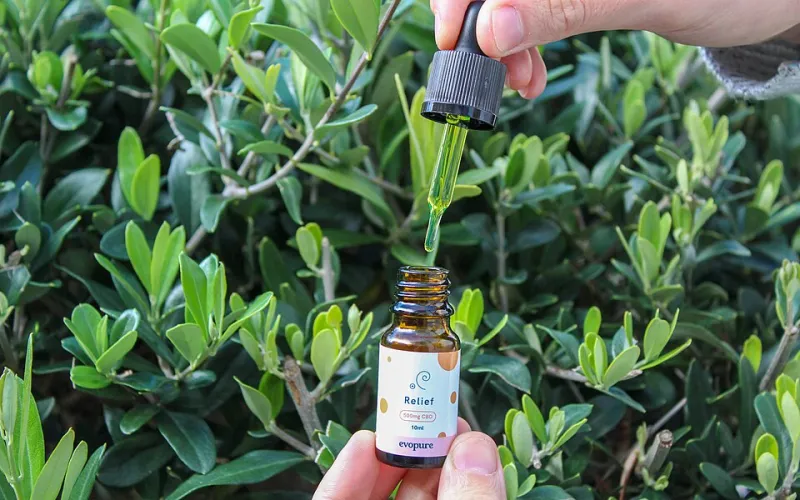
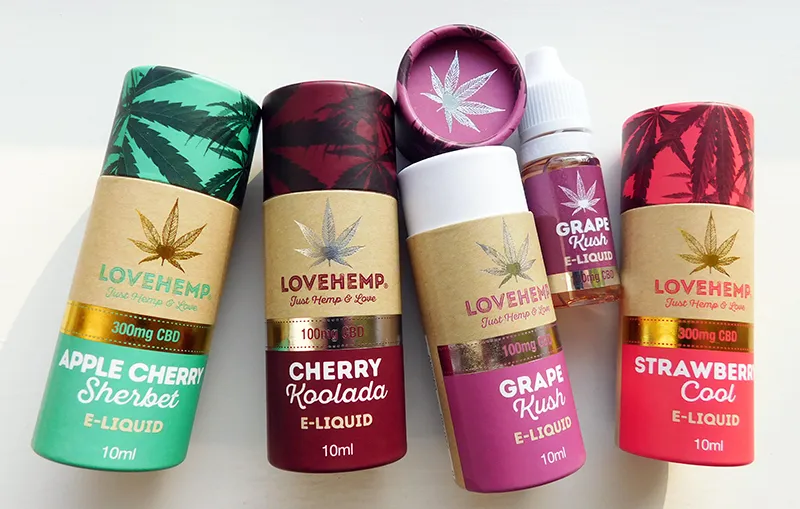
Rarely through carelessness. It happens because CBD bottles are remarkably similar to one another. Same amber glass, same dropper, same curly font promising peace and calm. Two people buy from the same brand, and now you have two near-identical bottles with different strengths and completely different dosing needs.
Add in the fact that most people dose once in the morning and once at night, and the failure points are obvious: the early start where you're on autopilot, the late evening where you're half asleep, and the moment someone picks up the wrong bottle because it was nearer the kettle.
None of this is dangerous in the way that mixing up prescription medicines could be, but it is annoying, it wastes money, and it makes it impossible to know whether CBD is actually doing anything for you. Which is the whole point of taking it.
What the UK rules say about passing it round the room
Here's where it gets slightly more serious than the kitchen-shelf comedy suggests.
CBD sold on the high street and online in the UK is regulated as a food supplement, not a medicine. The Food Standards Agency has been working through novel food applications for years now, and in 2024 it lowered its advised maximum daily intake for healthy adults to 10mg. That's a guideline, not a legal limit, but it's the figure to keep in your head when you're working out your own routine.
Anything making medical claims should really be a licensed medicine, and the MHRA's position on that hasn't shifted. The genuinely prescribed cannabis-based products — the ones you might get for epilepsy or MS spasticity — are prescribed to a named person. You can't share those with a partner, not legally and not sensibly. A prescription belongs to the patient on the label, full stop.
As for the food-supplement bottles: there's no law against your partner trying a drop of yours, but there's a difference between that and treating the household supply as a communal tub of butter. Different bodies, different medications, different reasons for taking it. Someone on blood thinners, someone pregnant, someone due a GP appointment about a weird symptom — all of them should be making their own decision, not inheriting yours.
Do the dose maths once, then stop thinking about it
Two people in one house will usually need two different doses. Body weight varies, tolerance varies, and the reason for taking it varies — one of you wants to take the edge off a stressful job, the other is chasing a decent night's sleep.
So write both numbers down. Not in your head, and not in a notes app you'll never open. On the bottle, or on a scrap of paper taped to the shelf, or in a shared note that both of you can see.
The second part is keeping a rough record for the first fortnight. Nothing fancy, no spreadsheets unless that's your personality. Just the date, roughly how much, and one word for how the evening went. Two weeks of that will tell you more about whether your oil is worth repurchasing than any review you'll read online.
The labelling system that survives a real kitchen
This is the bit people skip, and it's the bit that solves the problem.
- Initials, always. Masking tape and a marker. It's not glamorous, but 'J' on one bottle and 'S' on the other ends the confusion in a single stroke.
- Strength, not just brand. '10%' means nothing to a tired brain at 11pm. Write the mg per drop if you know it.
- The open date. CBD oils degrade, and an out-of-date bottle is a quiet waste of £40. Date it the day you crack the seal.
- One dropper each. Sharing a dropper between two people is a hygiene question more than anything else. If you're both using the same bottle, rinse the dropper or decant into smaller bottles.
- Away from the supplements. Keep CBD on its own shelf or in its own small box. Fumbling between hemp oil and a vitamin D capsule at 7am is how mistakes start.
Store it like you mean it
Cool, dark and upright. A kitchen windowsill in November gets less sun than in July, but the principle holds — heat and light are not friends of cannabinoids. A cupboard away from the hob is fine. Some people refrigerate, which is harmless as long as the oil doesn't get thick and awkward to draw up.
And keep it above the reach of children and, ideally, out of the way of curious pets. Hemp products aren't made for animals unless they're formulated for them, and a dropped bottle on a tiled floor is a very expensive lesson.
A five-minute reset for the shared shelf
- Clear the shelf. Everything off, wiped down.
- Bin anything out of date or unlabelled and unidentified.
- Label both bottles with initials, strength and open date.
- Agree who doses when, so you're not both reaching for it at 10pm and asking questions.
- Start a shared note for the next two weeks.
- Bookmark a reminder to review it together — one conversation, twenty minutes, and you'll both know whether you're getting value or just buying nice glass.
When to bring in a professional
If either of you is on prescribed medication, pregnant, breastfeeding, or managing a long-term condition, a quick word with a pharmacist is worth more than any article. Pharmacists are used to these questions and they're free to ask.
And if one of you is self-treating something that really needs a diagnosis — persistent pain, anxiety that's getting worse, sleep that won't come back — CBD shouldn't be the thing standing between you and a GP appointment.
The shared bottle problem is easy to fix. A bit of tape, a marker and one honest conversation, and your kitchen shelf starts behaving itself.