Bought the Bottle, Felt Nothing? A Calm Guide to CBD Returns, Reviews and Calling It a Day
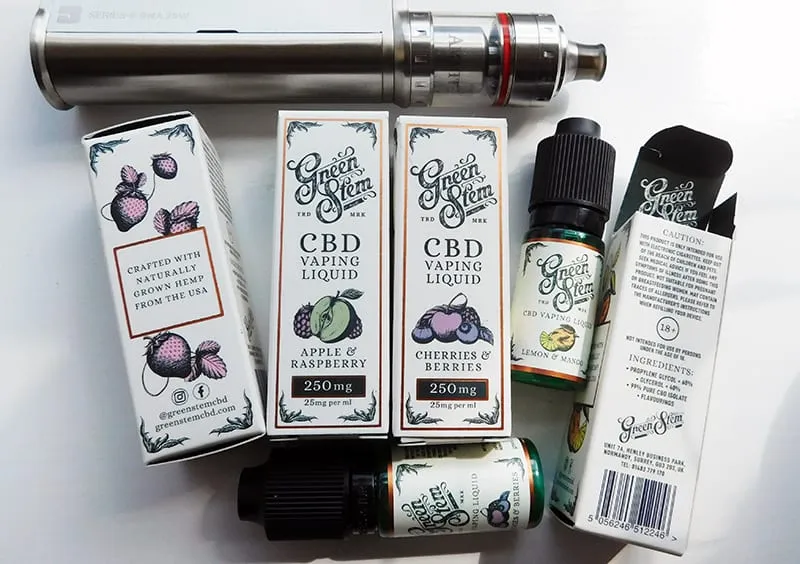
Photo: Ecig Click, CC BY-SA 2.0, via Wikimedia Commons
You bought it. You used it. Nothing much happened. Now you are staring at a half-full bottle wondering whether you have been had, whether you gave it long enough, or whether the whole thing is a very expensive placebo in a nice amber glass.
All three are reasonable thoughts. What is not reasonable is the leap straight from 'didn't feel it' to 'scam' — or, for that matter, from 'didn't feel it' to 'better buy double strength next time'. Here is a route through the middle.
Before you write it off, check three things
Your dose. Many people start on a fraction of what the bottle implies and never actually build up. Look at milligrams of CBD per ml, not the size of the bottle, and work out what you have actually been taking per day. If you have been on 5mg for four days, you have not really tested it.
Your routine. Consistency beats intensity. A daily dose for two to three weeks tells you far more than a heroic one-off. If you are using an oil, hold it under your tongue for a minute or so before swallowing — swallowed straight down, less gets through.
Your expectations. CBD is not intoxicating. There is no noticeable 'hit', and there should not be. The evidence base is modest and mixed, mostly in the areas of sleep and anxiety, and it is not a treatment for anything. If you were hoping for a switch to flip, that is worth recalibrating before you spend again.
Worth noting too: UK products vary wildly in strength and quality. Independent testing has repeatedly found bottles containing less — sometimes far less — than the label claims. Which is exactly why the next section matters.
Your actual UK refund rights
Let's do the dry bit, because it is more useful than it sounds.
Cancelling an online order. Under the Consumer Contracts Regulations 2013, you generally have 14 days from delivery to cancel a distance purchase, and a further 14 days to send it back.
But — the sealed goods exemption. The right to cancel does not apply to sealed goods that have been unsealed after delivery, where they are not suitable for return for health protection or hygiene reasons. A food supplement falls squarely in that territory. So once you have cracked the seal, a retailer can lawfully decline a change-of-mind return.
Many CBD retailers go further than the law requires. Some offer empty-bottle or 30-day satisfaction guarantees. That is a commercial promise, not a legal right — but if it is advertised at the point of sale, it is part of your contract. Read the returns page before you order, not after.
If the product is faulty, misdescribed or not what you ordered, you are on much firmer ground under the Consumer Rights Act 2015, including a 30-day short-term right to reject. A bottle labelled 1,000mg that a lab test shows contains 300mg is a strong candidate for 'not as described'.
Paid by card? Chargeback via your bank is an option for disputed transactions, and Section 75 protection applies to credit card purchases over £100. Keep your order confirmation, batch number, photos of the label and any correspondence.
What to do when the label does not match reality
If you genuinely believe a product is mislabelled or unsafe, you have routes beyond a refund. Citizens Advice runs the consumer helpline in England and Wales and routes reports to Trading Standards. For issues around compliance with the novel food regime, the Food Standards Agency takes an interest. Neither will get your £30 back, but both build a picture.
When you leave a review, keep it factual and specific. 'Arrived late, seal damaged, batch number X' is useful to other shoppers. 'Did nothing, total con' is not, and it edges towards claims you cannot substantiate. Avoid medical assertions in either direction.
Reading other people's reviews without being fooled
A few quick filters:
- Does the reviewer mention a dose, a duration and a batch number? That is a real review.
- Are there fifty five-star reviews all posted in the same three days? Treat with suspicion.
- Does the brand publish third-party certificates of analysis that you can actually find on the site? If not, ask.
- Does 'full spectrum' appear everywhere with no explanation of what that means in practice? Vague language is a signal.
What to do with the bottle you are not going to finish
Do not tip it down the sink and do not hand it to a friend. CBD products are not medicines, so pharmacy take-back schemes may not accept them, but many household waste recycling centres accept unwanted medicines and chemicals — check with your local council first. Keep anything you are storing well away from children and pets, because CBD is genuinely risky for dogs and cats. And check the best-before date, because oils degrade and a two-year-old bottle is not a bargain, it is a skip in waiting.
When to stop, and when to talk to someone
Stop and speak to a pharmacist or GP if you notice stomach upset, headache, drowsiness or dizziness, or any change in mood that concerns you. Most importantly, talk to them first if you take prescription medication — CBD can interact with several common drugs, including some epilepsy medicines, blood thinners and immunosuppressants. If you are pregnant, breastfeeding, under 18 or have liver problems, CBD is not for you.
And if you were using CBD hoping to manage anxiety or low mood and nothing has shifted after a few weeks of sensible use, please treat that as useful information rather than a failure. That is a GP conversation, and it is a normal one to have. GPs are not going to be shocked that you tried a high street product first.
The short version
Give it a fair two to three weeks at a dose you have actually calculated. Check the returns policy before ordering, not after. Keep your paperwork. Report genuinely misleading products. Leave reviews that help the next person. And if it is not working, be willing to stop — the most sensible thing a shopper can do with an unhelpful supplement is not buy more of it.
General information only. For advice about your own health, medication or symptoms, speak to a pharmacist, GP or NHS 111.