The Prescription Gap: What the NHS Can Actually Do With Cannabis-Based Medicines in 2026
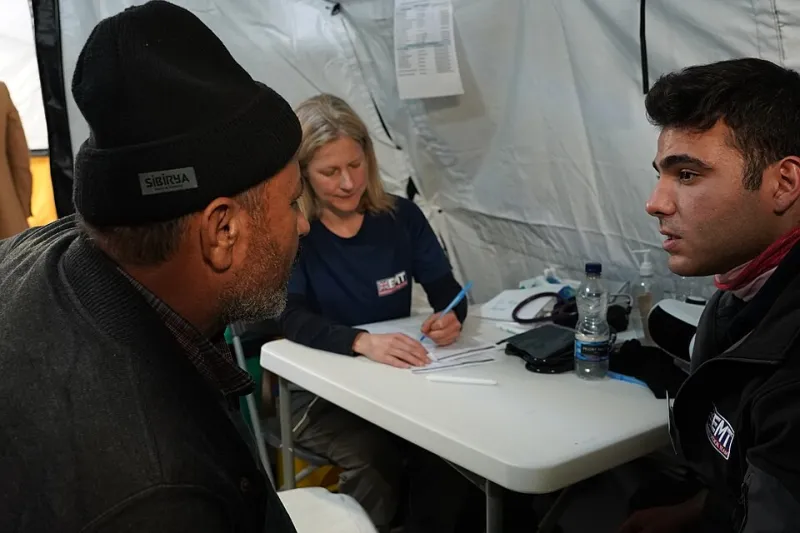
Photo: Foreign, Commonwealth & Development Office, CC BY 2.0, via Wikimedia Commons
Let's start with the bit that gets lost in the noise: the NHS is not a cannabis shop, and a high-street CBD oil is not a medicine. That might sound obvious, but in November 2026 the gap between what people read online and what a UK clinician can actually prescribe is still wide enough to park a delivery van in.
Cannabis-based medicinal products, usually shortened to CBMPs, are prescription medicines. They are controlled drugs. They are not the same as the CBD drops, gummies and balms sold on the high street, and they are not a casual add-on to your existing treatment. If you are trying to work out whether the NHS can help, the honest answer is: sometimes, for a small number of conditions, through a specialist, and usually after other options have been tried. Not never. But not often, either.
First, the alphabet soup: CBD products versus CBMPs
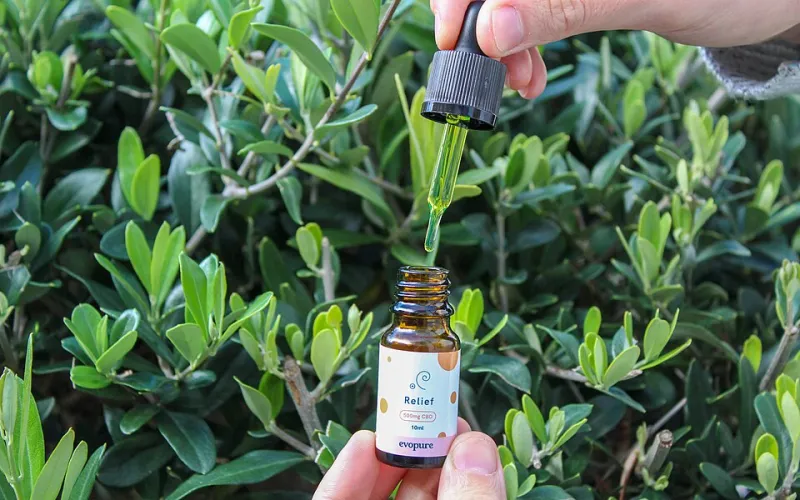
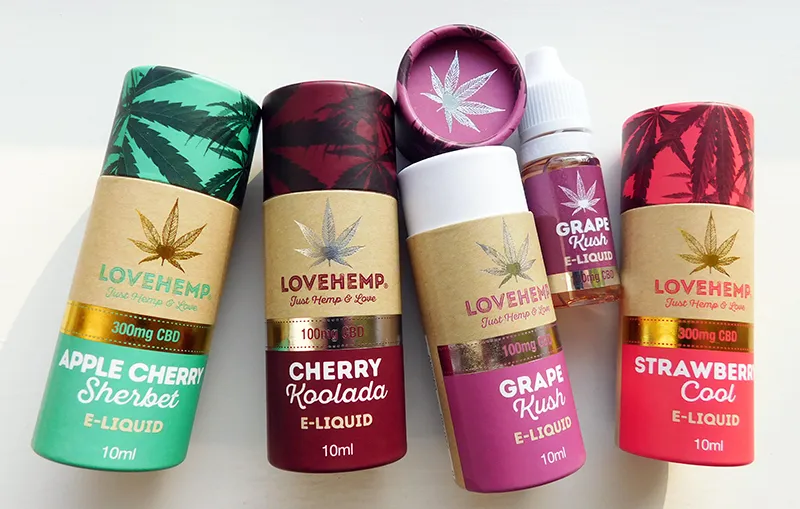
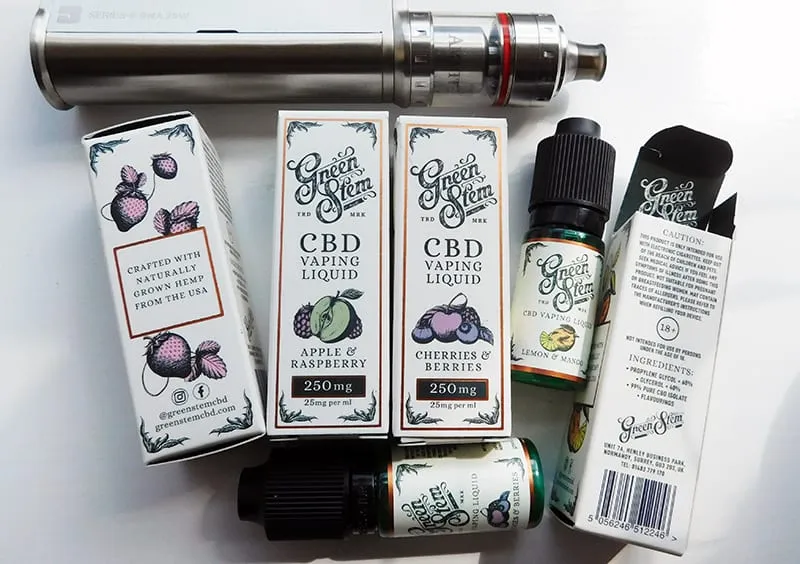
A bottle of CBD oil bought from a UK shop is generally sold as a food supplement, not a medicine. It has not gone through the same licensing process as a prescription drug, and it cannot be prescribed on the NHS. That does not automatically make it useless or unsafe, but it does mean the evidence base and the quality control can vary.
CBMPs are different. They are prescribed by a doctor, dispensed as a medicine, and monitored. Some are licensed products with specific approved uses. Others are unlicensed, which means a specialist can prescribe them where they believe there is a clinical need, but the evidence may be thinner and the funding route more complicated. The key point for patients is that the NHS treats these as serious medicines, not lifestyle products.
What your GP can and cannot do
Your GP is a sensible first stop, but not because they can hand you a cannabis prescription. In practice, a GP can listen, review your symptoms and medicines, rule out other causes, and refer you to the right specialist. They can also record your history and coordinate care if a specialist becomes involved.
What a GP generally cannot do is start most CBMPs themselves. NHS England guidance has been clear that unlicensed cannabis-based products should be initiated by doctors on the General Medical Council Specialist Register, not by GPs. Even for licensed products, prescribing is usually specialist-led because of the controlled-drug status, the monitoring needed and the narrow eligible groups. Shared-care arrangements can exist, but they are not a given. A GP is not being awkward if they say no; they are usually working within the rules.
So if you go to a GP appointment expecting a prescription, you may leave disappointed. If you go expecting a conversation about referral, evidence and next steps, you are more likely to get somewhere useful.
Where NICE fits, and where it does not
NICE guidance shapes what the NHS is willing to fund, and for CBMPs it is deliberately cautious. NICE has recommended specific licensed products for specific conditions: Epidyolex for two rare epilepsy syndromes, Sativex for multiple sclerosis-related spasticity, and nabilone for certain types of chemotherapy-induced nausea. Those are the clear NHS pathways.
For chronic pain, anxiety, sleep problems and many other reasons people search for cannabis-based treatment, NICE has generally not recommended CBMPs outside clinical trials. That is not the same as saying they are illegal or impossible to prescribe privately. It means the NHS is unlikely to fund them routinely, and a specialist would need to justify an exceptional case. The evidence simply is not strong enough yet across the board, and the NHS has to make hard choices about what it pays for.
This is where a lot of online hype falls apart. A private clinic may prescribe an unlicensed CBMP for a condition where NICE says the evidence is limited. That can be legal and clinically defensible in the right circumstances, but it is not the same as the NHS endorsing it. Patients deserve to know the difference before they spend money.
The private clinic route: what you are really paying for
Private clinics have filled part of the gap, and some are serious medical operations. Others are closer to a sales funnel. The difference matters. A reputable clinic should have a specialist doctor on the GMC Specialist Register, take a full medical history, consider interactions and side effects, set out realistic expectations, and arrange follow-up. You are paying for clinical time, prescribing responsibility and monitoring, not just a bottle.
Before you book, ask what the total monthly cost looks like. Consultation fees are only the start. Prescription charges, repeat appointment fees, delivery and product costs can add up quickly. Ask what happens if the treatment does not work. Ask whether the clinic will communicate with your GP, and whether it is prescribing a licensed or unlicensed product. Ask what evidence it is relying on for your specific condition. If the answers are vague, or if the clinic promises miracles, walk away.
A private prescription is not a shortcut to NHS funding. It is a separate route with separate costs and separate rules.
What realistic NHS access looks like in 2026
NHS access is still narrow. It is concentrated in specialist centres, specific licensed indications and occasional individual funding requests. Some patients do get CBMPs on the NHS, but they are the exception rather than the rule. The evidence base is growing, but it is not growing fast enough to turn cannabis-based medicines into a routine NHS option for broad conditions such as general anxiety or long-term back pain.
If you think you might fit an NHS pathway, ask your GP for a referral to the relevant specialist and bring a clear summary of your symptoms, previous treatments and current medicines. Do not stop prescribed medication to try cannabis products. Do not assume a high-street CBD product is a substitute for a medicine. And tell your clinician if you are already using CBD, because interactions are possible.
Questions to ask before you pay for a private appointment
- Which doctor will assess me, and are they on the GMC Specialist Register?
- What is the evidence for this product in my condition, and how strong is it?
- Is the proposed product licensed or unlicensed?
- What is the full cost over three months, including consultations and repeats?
- How will we measure whether it is working, and when will we stop if it is not?
- What are the known side effects and interactions with my current medicines?
- Will you write to my GP, and what happens if I need urgent care?
The bottom line
The NHS has not become a free-for-all for cannabis-based medicines, and 2026 is not the year that changes. It has specific, evidence-led pathways for a small number of conditions, and a lot of caveats around everything else. Private clinics can operate legally, but they are not all equal, and they are not a back door to NHS funding.
If you are exploring this route, go in with your eyes open. Ask for evidence, ask for costs, and ask what happens if the answer is no. That is not being cynical. It is being a sensible patient in a confusing system.