Reading Between the Lines: A 2026 CBD Label Guide for UK Shoppers
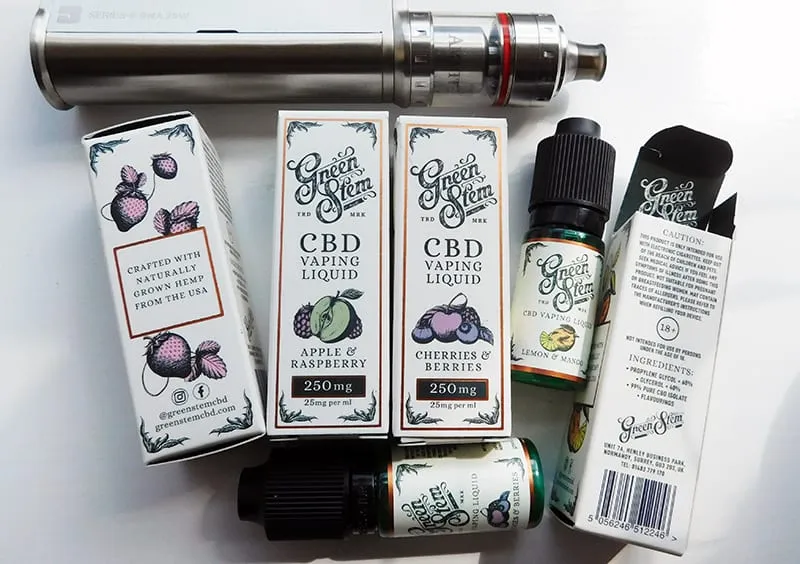
Photo: Ecig Click, CC BY-SA 2.0, via Wikimedia Commons
Walk into any UK health shop in 2026 and you will see shelves of CBD oils, balms, drinks and gummies. The packaging is calm, the claims are bold and the labels are often a maze of half-defined terms. At Hemphorus, we are not here to tell you which bottle to buy. We are here to help you read the bottle you are holding.
CBD labelling in the UK is improving, but it still has plenty of grey areas. Terms such as full spectrum, broad spectrum and THC-free are used by brands in different ways. Some use them carefully. Others use them as mood music. The good news is that a few practical checks can cut through most of the fog.
Start with what the label cannot tell you
A CBD label is a starting point, not a guarantee. In the UK, CBD extracts are treated as novel foods, which means they need to go through the Food Standards Agency's authorisation process. That process is about safety and compliance, not about ranking products. A product appearing on the FSA's public list is not a gold star for quality, but it is a baseline signal that the brand has engaged with the rules.
The other thing labels cannot do is prove what is inside the bottle. For that, you need a batch-specific certificate of analysis, usually called a COA. If a brand cannot show you a lab report that matches the batch code on your product, treat the label as marketing rather than evidence.
Full spectrum: the whole plant, in theory
Full spectrum usually means the extract contains a range of cannabinoids, terpenes and other plant compounds, not just CBD. That may include trace amounts of THC. The idea is that the whole plant extract is greater than the sum of its parts, though the science on how much that matters is still developing.
The word usually is doing a lot of work here. There is no single legal definition of full spectrum in the UK that every brand must follow. One company's full spectrum might be a broad extract with a detailed COA. Another might be a lightly processed oil with a vague label. If trace THC is a concern for you, check the batch COA rather than trusting the front of the bottle.
Broad spectrum: the middle ground
Broad spectrum typically means the product keeps a range of cannabinoids but removes THC, or reduces it to a level below the lab's detection limit. It is often chosen by people who want a fuller cannabinoid profile without THC. Again, the term is not tightly regulated in everyday use.
Ask a simple question: broad compared with what? A useful brand will show you the cannabinoid profile on the COA, including the THC result and the limit of detection. A less useful brand will use broad spectrum as a reassuring word and hope you do not ask for paperwork.
THC-free: a claim with an asterisk
THC-free is one of the most misunderstood phrases on a UK CBD label. In practice, it usually means THC is below the laboratory's limit of detection, not that the product contains absolutely zero THC molecules. Those are different things.
The limit matters. A lab might report THC as not detected at a limit of 0.01 per cent, while another lab uses a different method. If you are subject to workplace drug testing, or you simply want to avoid THC, do not rely on the phrase alone. Look for the actual THC result and the detection limit on the batch COA. UK rules set strict limits for controlled cannabinoids, but trace levels can still appear in some extracts.
Why batch-specific lab reports matter
CBD is a plant extract, and plant extracts vary. A lab report for a batch from last year does not tell you much about the bottle in your hand today. Batch-specific means the COA has a batch number or production date that matches your product. It should be from a reputable third-party laboratory and should be recent.
Some brands publish a generic COA on their website and call it transparency. That is better than nothing, but it is not the same as batch-specific testing. If you cannot match the report to your bottle, ask the brand why. A good company will not mind the question.
How to read a COA without a science degree
You do not need to understand every number. You just need to know what to look for. Here is a simple checklist:
- The batch number or date matches your product.
- The lab is named and preferably independent.
- The cannabinoid profile shows CBD and THC results, not just a total.
- The THC result includes the limit of detection.
- Contaminant tests cover heavy metals, pesticides, solvents and microbiology.
- Terpenes are listed if the brand makes terpene claims.
- The test date is recent enough to be useful.
- Units are clear, whether mg per gram, mg per ml or percentage.
If a COA is missing half of those things, it is not a scandal, but it is a reason to slow down. If a brand refuses to share any batch report at all, that is your answer.
Check the FSA novel food list before you buy
Since 2020, CBD extracts have been treated as novel foods in the UK. The FSA keeps a public list of products that have submitted valid novel food applications. Before you buy, search for the exact product or brand. If it is not there, ask the retailer or brand why. The list is not a taste test or a quality ranking, but it is a useful compliance check.
It is also worth keeping dosage in perspective. The FSA advises healthy adults not to take more than 10 mg of CBD per day. Labels can make serving sizes confusing, so compare the amount of CBD per drop or per spray with the daily advisory limit. More is not automatically better.
A five-minute label checklist
Before you pay, run through this quick list:
- How much CBD is in the whole bottle and per serving?
- Is the spectrum term explained, or just printed?
- Is there a batch-specific COA you can view?
- Does the COA show THC and contaminants?
- Is the product or brand on the FSA novel food list?
- What is the carrier oil, and are there any added flavourings?
- What is the price per 100 mg of CBD?
- Does the brand make vague health claims instead of giving facts?
The price-per-CBD check is especially useful in the UK, where two bottles can look similar but contain very different amounts. A cheap bottle may not be good value if the serving size is tiny. An expensive bottle may not be better if the paperwork is thin.
The bottom line
Labels are a conversation starter, not the final word. Full spectrum, broad spectrum and THC-free can all be useful shorthand, but they only mean something when they are backed by clear batch testing and honest sourcing. Buy from brands that answer questions, show their working and respect the difference between a claim and a certificate.
At Hemphorus, we would rather you spend five minutes reading a COA than five weeks wondering what you actually bought. That is not glamorous, but it is a much better way to shop.