Keys, Cannabinoids and the Morning After: A UK Driver’s Reality Check on CBD
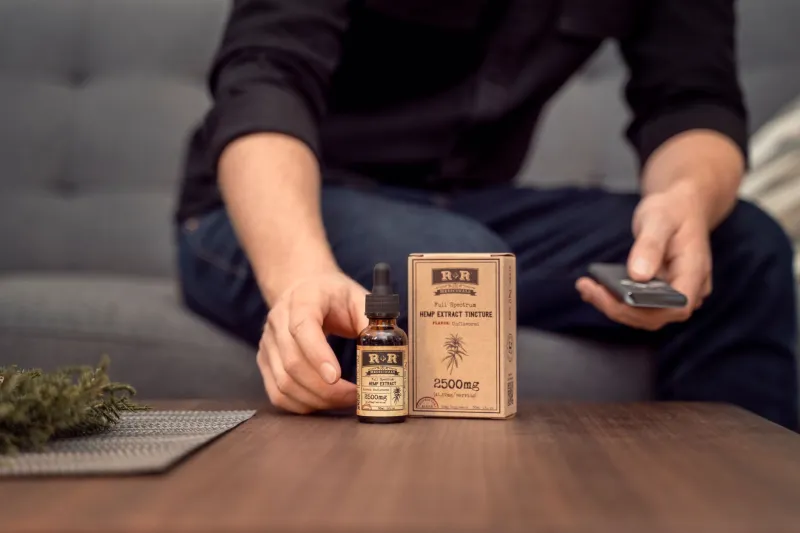
There is a particular kind of UK morning where the car keys, the coffee and the CBD bottle all end up on the same kitchen counter. You had a late night, you slept badly, you took a few drops of oil, and now you are staring at the driveway wondering whether any of it matters for the drive to work.
It is a fair question. CBD has gone mainstream, but the conversation around driving has not quite caught up. So let us separate the useful bits from the scary bits — calmly, and without pretending to be your solicitor or your GP.
First, the simple bit: CBD is not THC
CBD, or cannabidiol, is one of many cannabinoids found in the hemp plant. THC is the one associated with the psychoactive high and with the UK’s drug-driving limits. Roadside saliva tests are typically screening for THC and a handful of other controlled drugs, not for CBD itself.
That is the reassuring headline. But headlines are rarely the whole story.
In the UK, CBD products are sold as food supplements or cosmetics, not medicines. The legal position is that they must not contain controlled cannabinoids at levels that would make them controlled drugs. In practice, that means trace THC is the thing to watch. Reputable brands test for it. Less reputable ones may use phrases like ‘THC-free’ as a marketing flourish rather than a lab result.
Why trace cannabinoids are the tricky middle ground
A tiny amount of THC in a CBD oil is not the same as smoking a joint. Most people would not feel impaired from trace levels. But drug-driving law does not work on a vibes basis. In Great Britain, there is a specified blood limit for THC, and enforcement can involve a roadside swab followed by an evidential blood test if the swab indicates cannabis.
The key point for CBD users is not ‘one drop will ruin your licence’. It is that product quality and dose matter, and that labels do not always tell you enough. A bottle that claims to be pure CBD may still contain small amounts of other cannabinoids. A hemp drink may be made from an extract with a different profile from the oil you use at home. A balm is unlikely to send much into your bloodstream, but contaminated hands and a sandwich at the wheel are their own small comedy of errors.
This is why Hemphorus keeps banging on about batch certificates and clear labelling. It is not bureaucracy for its own sake. It is the difference between knowing what you bought and hoping for the best.
The morning-after question
CBD is not generally described as a hangover-style intoxicant, and most people do not report feeling impaired the next day. But ‘most people’ is not ‘everyone’, and CBD products are not the only thing in your system after a late night.
If you have had alcohol, even a modest amount, your body is dealing with that too. If you have taken a sedating medication, that is relevant. If you have slept badly, you may be tired enough to drive poorly regardless of what came out of a dropper. The sensible rule is boring but reliable: if you feel drowsy, foggy or not fully in control, do not drive. That applies to CBD, hemp drinks, cold remedies and life in general.
There is also the product-specific worry. Some people take a larger-than-usual dose in the evening, sleep heavily, and wake up wondering whether they are still ‘under the influence’. CBD itself is not the same as THC, but a poorly made product with a higher THC content is a different conversation. This is exactly why the label and the lab report matter more than the picture of a leaf on the bottle.
What labels do not tell you
A CBD label might tell you the total cannabinoid content, the CBD strength per ml, and the batch number. What it often does not tell you is the full cannabinoid profile, the THC level in the final product, or whether the lab tested the batch you actually bought. ‘Full spectrum’ can mean a broad range of plant compounds, including trace THC. ‘Broad spectrum’ usually means THC has been removed or reduced, but definitions vary between brands.
None of this is a reason to panic. It is a reason to buy from brands that publish certificates of analysis and update them. If a company cannot tell you the THC result for the batch in your hand, treat that as useful information about the company.
A pre-commute checklist for CBD users
This is not legal advice, and it is not medical advice. It is a sensible once-over before you put the key in the ignition.
- Check the batch, not just the bottle. Look for a certificate of analysis that matches the batch number on your product. If THC is not listed, ask why.
- Know your dose and timing. If you are new to a product, avoid trying a larger dose on a morning when you have to drive.
- Keep CBD and alcohol separate. Mixing them makes it harder to judge how you feel, and alcohol has its own strict driving limits.
- Wash your hands after balms and creams. It sounds fussy. It is also how you avoid transferring a lip balm or hand cream to your face, food or steering wheel.
- Do not leave hemp drinks in the car as an emergency breakfast. Read the label, treat them as a food product, and do not assume ‘hemp’ means ‘no cannabinoids’.
- Store products away from heat and out of reach. A hot glovebox is not a good home for an oil, and a loose bottle is not a good passenger.
- If you feel impaired, do not drive. Tiredness, alcohol, medication and stress all count. CBD does not cancel them out.
- If you use a prescribed cannabis-based medicine, follow the advice you have been given and carry what you need to show it is prescribed. That is a separate legal pathway from buying CBD on the high street.
The bottom line
CBD is not the villain of the UK’s drug-driving rules, but it is not invisible either. The calm approach is to buy from brands that test properly, understand that trace THC is the part that matters for the law, and treat your own alertness as the final check. If you are unsure, leave the car at home. The bus is deeply unglamorous, but it has never failed a roadside swab.