Seeds, Snacks and the School Gate: Hemp Foods in UK Lunchboxes, Explained for Parents

Photo: child's packed lunch box with seeds yoghurt healthy school lunch UK, via img.freepik.com
Packed lunches are a strange little arena. You are simultaneously a nutritionist, a diplomat and a food-safety inspector, all before 7.30am. So when a bag of shelled hemp seeds turns up in the cupboard and somebody says it is packed with protein, it is tempting to just sprinkle and hope for the best.
Let us slow that down slightly. Hemp foods can absolutely do a job in a family lunchbox, but there is a fair bit of muddle around what they are, what schools make of them, and where the line sits between a seed and a supplement.
First things first: hemp food is not CBD
This is the bit that gets scrambled most often, and it matters.
Hemp seed, hemp hearts, cold-pressed hemp seed oil, hemp flour and hemp protein powder are foods. They come from the seeds of the hemp plant. Hemp seed oil, despite the word hemp on the bottle, contains essentially no cannabinoids worth mentioning — it is a culinary oil, closer in spirit to flaxseed oil than to anything sold under a dropper.
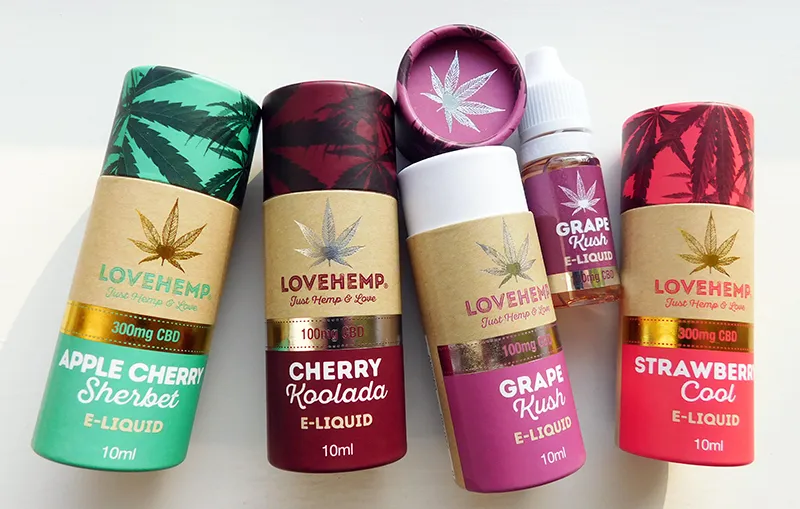
CBD is a different product entirely. It is sold as a food supplement, it is not licensed as a medicine in the UK, and the Food Standards Agency's position is clear that it is not intended for under-18s, or for anyone pregnant or breastfeeding.
So the rule for families is a simple one: hemp foods can belong in a lunchbox. CBD does not. Keep any CBD you use for yourself well out of reach, treat it like you would any adult-only supplement, and do not let 'it's natural' do the persuasion work. It is not a children's product and there is no credible case for putting it in a child's flask.
What you are actually putting in the box
Hemp hearts — the shelled seeds — are soft, mild and slightly nutty, which makes them unusually child-friendly as far as nutritious sprinkles go. They bring plant protein containing all the essential amino acids, fibre, magnesium, iron, zinc and a decent whack of omega-3 and omega-6 fats.
Hemp protein powder is the milled, defatted version. Hemp flour is what is left after oil pressing. None of them are magic, and none of them should be pushed as a fix for a fussy eater. Think of hemp as a useful extra, not a rescue mission.
Read the label with a parent's eye rather than a marketing one. Some protein powders have added sweeteners, flavourings, vitamins or botanical extras you would rather a nine-year-old did not have at lunchtime. Plain is nearly always the better buy.
The school rules question nobody warns you about
Here is where things get practical. Plenty of UK primary schools run blanket policies on nuts and seeds — sometimes because of a diagnosed allergy in the class, sometimes as a broad precaution. Those policies are set school by school, not nationally, and they can change mid-year.
Which means the only reliable answer to 'can my child take hemp seeds in?' comes from your school office, in writing, ideally.
A few things worth asking about specifically:
- Whether the school's allergy or packed-lunch policy mentions seeds at all.
- Whether shared tables or 'no sharing' rules apply in your child's class.
- Whether the school wants allergen information for anything sent in that is not a standard shop-bought item.
- Whether there is a separate policy for home-baked goods, if you are planning hemp-flour muffins.
For context, hemp is not one of the 14 allergens that must be legally highlighted on UK food labels. But seeds are often processed in facilities that also handle sesame, nuts or gluten, so cross-contamination is a fair question to put to a manufacturer — and a fair question for a school to raise too.
If your child has a diagnosed food allergy or a history of reactions, that is a conversation for your GP or a registered dietitian before anything new goes anywhere near a lunchbox.
Age-appropriate ideas that actually travel well
For younger children (roughly 4–7): a teaspoon of hemp hearts stirred through plain yoghurt or porridge. Hemp seed butter spread thinly on oatcakes, if your school permits it. Keep portions small — seeds are calorie-dense and high in fibre, and a heavy hand can lead to a grumbly tummy at 2pm.
For older primary children (roughly 8–11): a small pot of hemp hearts to sprinkle themselves, which tends to go down better than a pre-mixed slop. Hemp flour folded into banana muffins at around 15–20 per cent of the total flour — more than that and things get dense.
For secondary school: a smoothie made at home with a half-scoop of plain hemp protein, or a trail-mix style pot with hemp hearts, dried fruit and oat cereal. Check the school's rules on energy drinks and supplements, which some secondaries are tightening.
A couple of practical notes. Hemp oil is fragile stuff — keep it in the fridge once opened, do not cook with it at high heat, and do not expect it to survive a warm classroom in June. And introduce seeds at home on a quiet day rather than debuting them in a crowded dining hall.
The honest summary
Hemp foods are unfussy, genuinely nutritious and easy to work into everyday meals. They are also just food. They will not transform a child's diet, they will not replace a proper varied lunch, and they do not need to be embroiled in the same conversation as CBD.
Check the school policy, read the back of the packet, keep the portions modest, and you can sprinkle with confidence.
This article is general information, not medical or dietary advice. For allergies, intolerances or specific dietary needs, speak to your GP or a registered dietitian.