Chilly Kitchens and Sluggish Droppers: Making Sense of CBD Oil in Winter Storage
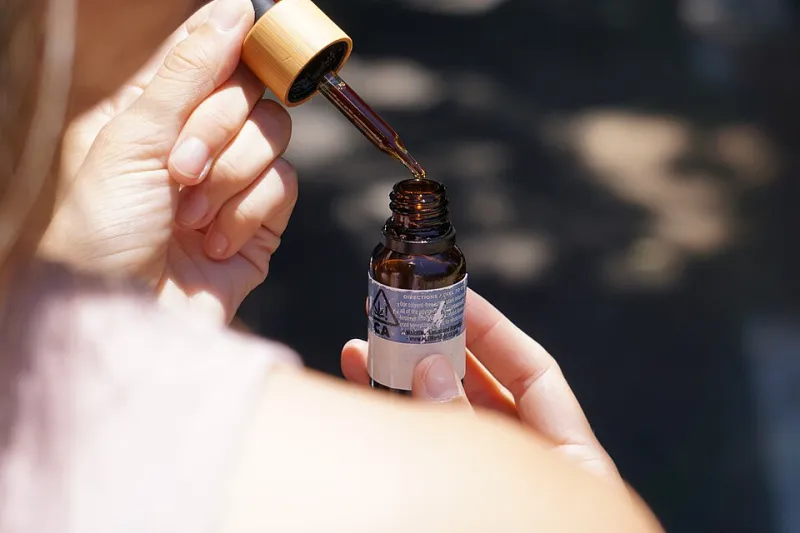
Photo: elsaolofsson, CC BY 2.0, via Wikimedia Commons
November in the UK has a way of making everything feel a little slower. The boiler clicks on, the hallway becomes a cold corridor, and the kitchen windowsill turns into a tiny fridge. If your CBD oil has started looking thicker, cloudier or slightly separated since the temperature dropped, you are not alone — and you probably do not need to panic-buy a replacement.
CBD oil is a fairly simple thing: cannabinoids blended into a carrier oil. Those carrier oils can react to cold in quite visible ways. The trick is separating normal cold-weather behaviour from the genuine warning signs that something is off.
Why cold changes the look of CBD oil
Most CBD oils use a carrier such as MCT oil, olive oil or hemp seed oil. These are fats, and fats do not all behave the same way at low temperatures. Some can cloud, thicken or form tiny solid flecks when they get chilly. Coconut-derived MCT oil, for example, can look less like a clear liquid and more like something that has been left near a cold window.
That does not mean the CBD has disappeared. It means the oil’s texture and appearance have changed with the temperature. A bottle that was easy to draw up in September may need a little more patience in November. If the liquid has separated into faint layers or droplets, that is often the carrier oil responding to the cold rather than a sign that the product has suddenly failed.
What cold does — and does not — tell you
A cloudy bottle is not proof of spoilage. Equally, a clear bottle is not proof that everything is perfect. Appearance is only one clue, and it is a fairly blunt one.
What cold usually tells you is that the oil has been stored somewhere cool. What it does not tell you is whether the CBD content has changed, whether the batch is still in date, or whether the product has been contaminated. For that, you need the label, the batch details and a bit of common sense.
A hempy smell is normal for many CBD oils. A rancid, sharp or clearly off smell is different. Mould is unlikely in an oil-based product, but it is not something to ignore if you genuinely see it. Visible particles that do not soften or disperse after gentle warming are another reason to stop and check with the brand rather than guess.
Storage that suits a British home
The ideal spot is cool, dark and fairly stable. A cupboard away from the oven, radiator and sunny window is usually better than the kitchen windowsill, even if the windowsill looks nice. Bathrooms are tempting because they are handy, but the humidity and temperature swings are not doing your bottle any favours.
A cold hallway is not automatically a disaster, but repeated swings between chilly and warm are not ideal. If your chosen cupboard gets very cold overnight, consider moving the bottle somewhere with a more even temperature. Some brands say their oil can be kept in the fridge; others do not. The label should be your first stop, not a general rule from the internet.
Keep the cap tight, store the bottle upright and leave it in its original packaging if you can. Decanting into a pretty little dropper bottle might look tidy on the shelf, but it adds extra chances for contamination and makes it harder to check the batch or expiry date.
Gentle warming, not a hot bath
If the oil is sluggish, warm it gently. Rolling the bottle between your palms for a minute or two is often enough. A bowl of warm — not boiling — water can also help if the bottle is sealed and the label allows it. Think comfortable bathwater rather than a rolling boil.
Please do not microwave the bottle, put it directly on a radiator or leave it in a hot car to speed things up. You are trying to loosen the carrier oil, not cook it. Once it has softened, roll or shake gently so the oil is evenly mixed before you measure your serving. If the dropper is clogged, warming the bottle usually helps; do not force anything down the pipette.
Read the label before you judge the bottle
Carrier oils matter here. A product made with MCT oil may behave differently from one made with olive oil or hemp seed oil. The label should also tell you the CBD amount per drop or per serving, the batch number and the best-before date. Those details are more useful than a visual vibe check.
If the oil looks thicker, do not simply take a bigger serving to compensate. Use the marked dropper as directed and give the bottle a gentle roll first. CBD products are not medicines, and they are not a quick fix for a cold snap or anything else. Consistency and sensible labelling are the practical bits worth focusing on.
When to contact the brand instead of assuming
Get in touch with the brand if the oil smells off, looks mouldy, has changed colour in a way that does not settle after warming, contains particles that will not disperse, or arrives with a damaged seal. The same goes for a bottle that is past its best-before date, has been stored somewhere very warm, or looks different from how it normally does even after gentle warming.
A good brand should be able to tell you what its oil normally does in cold weather and how it recommends storing it. Keep the batch number and a photo of the bottle handy. If you are within a returns window, ask about your options rather than tipping the bottle down the sink in frustration.
The bottom line
A thick, cloudy CBD oil in a chilly UK kitchen is usually a storage story, not a disaster movie. Treat the bottle gently, warm it in your hands, roll it before use and check the label. If something genuinely seems wrong, ask the brand. That is a far calmer approach than assuming the cold has ruined your purchase — or that a cloudy bottle is somehow a sign of extra strength.