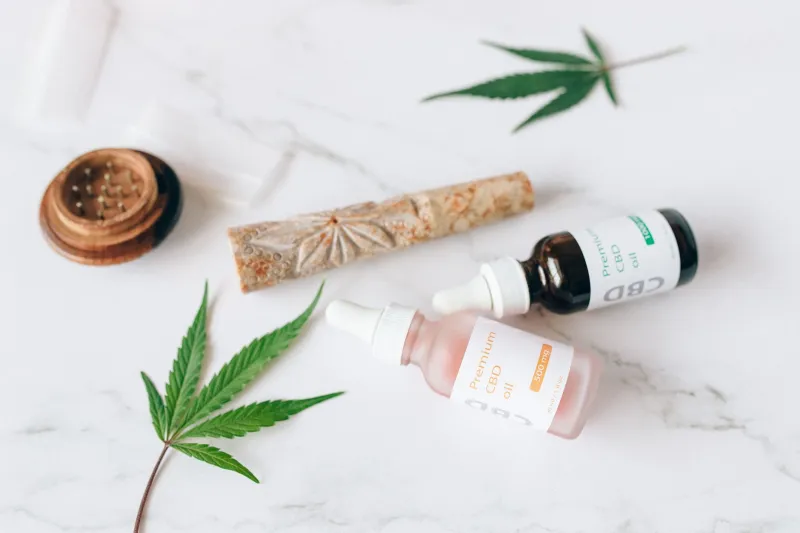
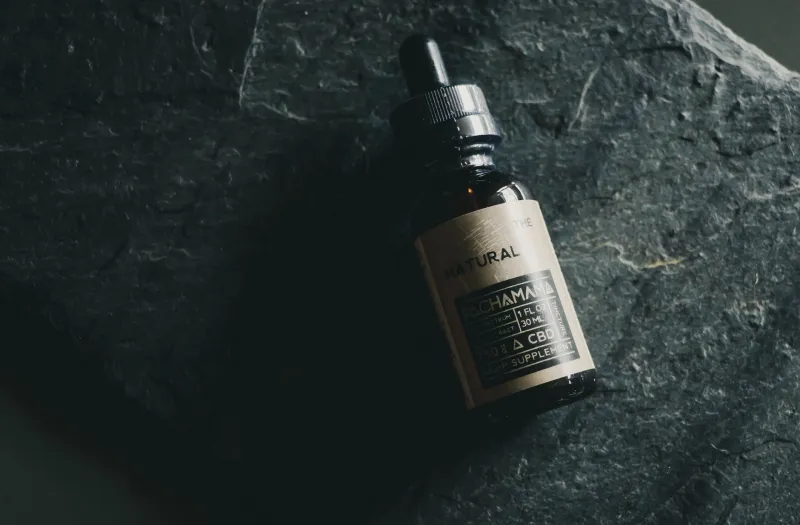
A Calm Conversation, Not a Confession: Preparing to Talk CBD With Your Pharmacist
Photo: Unknown authorUnknown author, Public domain, via Wikimedia Commons
CBD has done a proper high-street glow-up. It turns up in oils, capsules, balms and fizzy drinks, and it is easy to treat it like any other wellness add-on. But if your medicine cabinet already holds prescribed medicines, the sensible move is a short, honest conversation with a pharmacist or GP before CBD becomes part of the routine.
This is not about turning a chat at the counter into a medical drama. It is about arriving prepared, asking useful questions and leaving with a clearer picture. General information only, of course — not medical advice, and never a reason to change prescribed medicines on your own.
Start with a realistic inventory
Pharmacists work with lists. Give them a good one. Before your appointment or counter visit, note down every medicine you take — prescribed or not — including over-the-counter painkillers, antihistamines, supplements, herbal teas that claim to do something, and anything you use only now and then.
Include the dose, how often you take it, and roughly what time of day. If you have a repeat prescription slip, a pharmacy printout or the NHS App list to hand, bring it. Actual packets are even better if you are unsure. It also helps to mention recent changes: a new tablet started last month, a dose increased last week, a medicine you have stopped but still have at home.
You do not need to explain your entire medical history in the queue. But a pharmacist cannot spot a potential conflict if half the medicine cabinet is missing from the conversation.
Put your CBD question on one page
A scrap of paper beats a vague memory. Write down the CBD product you are considering or already using: oil, capsule, balm, tea or something else. Note the strength if it is stated clearly — for example, milligrams per bottle or per millilitre — and the daily amount you have in mind. If the label mentions THC content, include that too.
If you have not bought anything yet, bring a photo of the label or the product page. That is often more useful than a brand name alone. Products vary, and 'CBD oil' can mean very different things from one bottle to the next.
A simple note might look like this:
- Medicine: name, dose, time taken
- Other supplements: name and dose
- CBD product: type, strength, planned amount
- Main question: interactions, timing or side effects
Nothing fancy. The point is to make the conversation specific.
Ask questions that earn their keep
A good pharmacy conversation is not a test of your knowledge. It is a chance to borrow someone else's. Useful questions include:
- Is there anything on my medicine list that CBD is known to interact with?
- Does timing matter — for example, should CBD be kept away from certain tablets?
- What signs or symptoms would be worth watching for?
- How long would you suggest before deciding whether it is worth continuing?
- If I already take CBD, what details should I record?
- Can I keep taking my prescribed medicines exactly as normal while we review this?
That last one matters. Do not stop, skip or alter prescribed medicines because you are trying CBD. If you are worried about a medicine, ask about it directly rather than making a quiet DIY adjustment.
The timing question is not small talk
People often ask whether CBD should be taken with food, at night, or hours away from other medicines. The honest answer is that it depends on the product, the medicine and the person. Rather than guessing from a forum thread, ask your pharmacist whether timing is worth thinking about in your case.
If you do start keeping track, note the time of both your medicines and your CBD. A pattern is easier to discuss than a fuzzy memory. It also helps separate 'I felt odd on Tuesday' from 'I felt odd about forty minutes after taking X'.
'Natural' is not a free pass
Plant-derived does not mean conflict-free. CBD can affect how some medicines are processed in the body, and the picture gets murkier when products vary in strength, purity and THC content. Add in tiredness, changes in appetite or a glass of wine, and guesswork becomes even less useful.
This is exactly why the pharmacy counter is a good first stop. You are not asking for a blessing or a guarantee. You are asking for a sensible review of what is already in your routine.
Keep a record without turning it into homework
A seven- to fourteen-day note is usually enough to make a conversation more useful. Keep it short: date, time, amount of CBD, how you felt, sleep, appetite, and anything unusual. If you are taking prescribed medicines, keep noting those as normal too.
You are not writing a dissertation. You are giving a pharmacist or GP something concrete to work with. If you notice something that worries you, seek proper advice rather than waiting for the end of your diary.
If the answer is a shrug
Not every pharmacist will have detailed CBD knowledge at their fingertips. That is not a failure; it is a sign to ask a little further. Your GP, a specialist pharmacist or the clinician who manages your prescribed medicines may be better placed to help. Bring your list, your product details and your questions.
And if you are buying CBD, keep the label and batch details. In the UK, you can also report suspected side effects through the Yellow Card scheme. It is a small admin task that helps everyone's understanding grow.
The counter script
If you freeze at the till, borrow this: 'I take these medicines. I am thinking about trying this CBD product. Could we go through whether there is anything I should be aware of, and what I should keep an eye on?'
Calm, clear and specific. That is the whole script. No confession, no performance — just a better conversation before CBD joins the medicine cabinet.